I Believe We Should Reevaluate Our Church Models
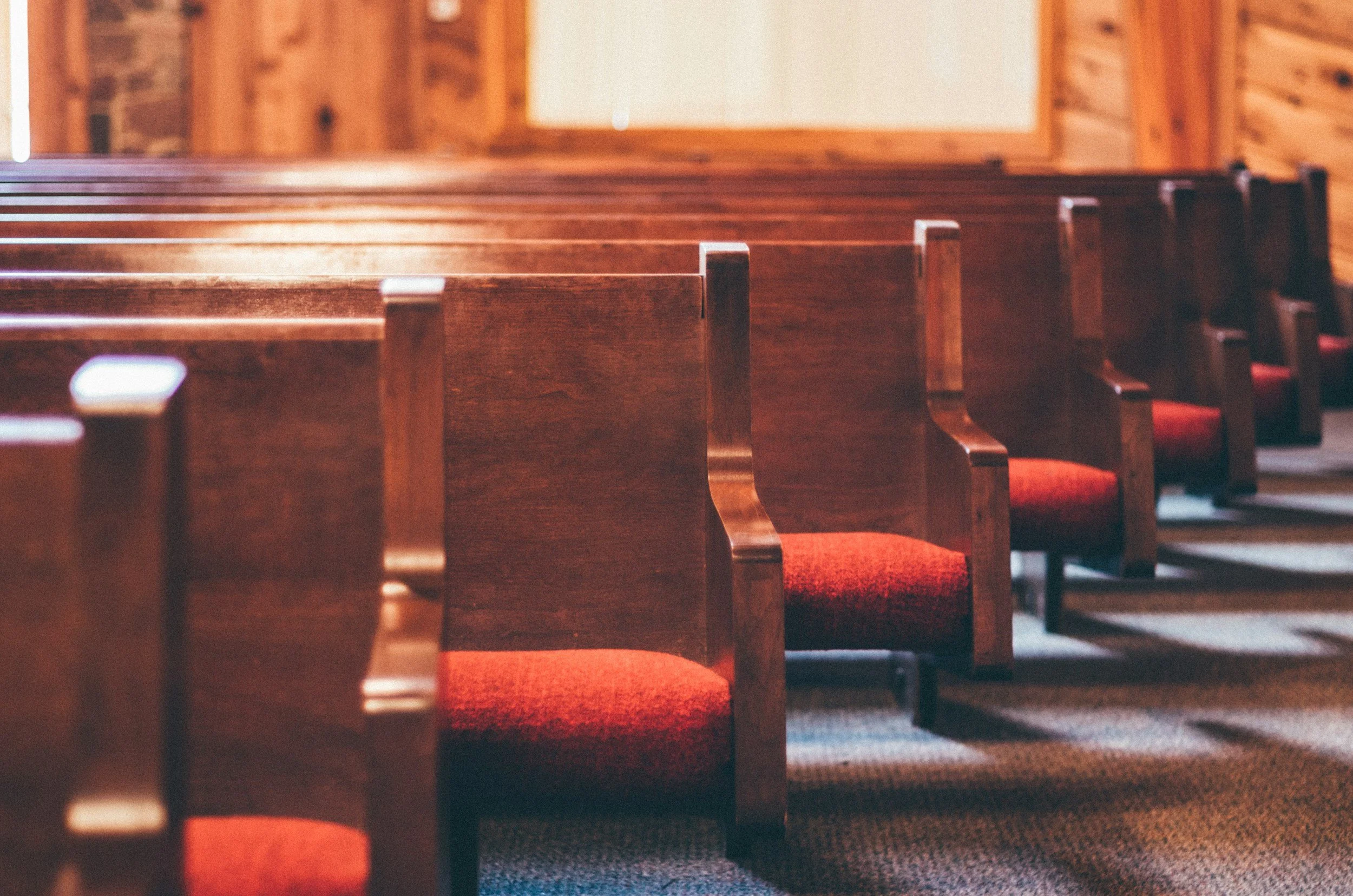
It’s not the quality of the wrapper that matters. It’s what’s inside.
My experience in ministry has caused me to seriously reevaluate the way churches organize their life together. I have served in both a portable church setting and a property-based church setting, and those experiences have changed the way I think about church facilities, weekly services, and Christian community. I no longer assume that owning property is necessarily a sign of stability, maturity, or ministry success. In my own experience, property eventually proved to be more trouble than it was worth.
When I began serving in ministry, our church met in a setup-and-teardown environment. We did not own a permanent facility, so each week we arrived early, prepared the room for worship, and put everything away after the service. The arrangement required work, but the work was limited, predictable, and shared among volunteers. In most weeks, the practical responsibility associated with the facility amounted to approximately one hour before the service and another hour afterward. Once the equipment was stored and the rented space was returned to its normal condition, the facility did not require continued attention throughout the week.
The portable arrangement was not glamorous, and it occasionally created inconvenience. Volunteers had to move equipment, arrange chairs, prepare children’s areas, set up sound systems, and pack everything away when the gathering ended. Nevertheless, the model allowed the church to remain focused primarily on worship, preaching, discipleship, pastoral care, and fellowship. The building was a temporary tool used for a specific purpose rather than an ongoing responsibility that demanded attention nearly every day.
That situation changed dramatically when our church inherited property through a merger. What had previously required only a few hours each week became a responsibility that occupied time and attention nearly six days a week. There was always something to inspect, repair, clean, organize, secure, schedule, improve, or pay for. Instead of simply preparing a room for worship, we became responsible for maintaining an entire physical property.
The additional financial burden was significant. Property ownership brought insurance premiums, utilities, cleaning expenses, landscaping, security concerns, maintenance costs, repairs, equipment replacement, inspections, and administrative responsibilities. Older church buildings often carry unexpected problems, and even routine repairs can become expensive. A leaking roof, failing air-conditioning system, plumbing problem, electrical issue, or security concern can quickly demand thousands of dollars and many hours of leadership attention.
The cost in time and mental energy was as important as the financial cost. Property did not merely require money; it required continual oversight. Decisions about preaching, discipleship, outreach, pastoral care, and fellowship increasingly had to compete with decisions about maintenance, repairs, contractors, insurance, scheduling, liability, and facility use. In my experience, the property gradually ceased to be merely a tool used by the church and became something the church itself had to serve.
This experience does not lead me to believe that church buildings are inherently wrong. Many congregations use property wisely, and a permanent facility can provide useful space for worship, teaching, counseling, children’s ministry, hospitality, community service, and administration. However, I believe churches should evaluate property ownership far more carefully than they often do. The benefits of owning property are highly visible, while the financial, administrative, relational, and spiritual costs are frequently underestimated.
A building may provide convenience, stability, and community visibility, but it also creates long-term obligations. It may give a congregation a central gathering place, but it can also consume money that could otherwise support missions, benevolence, leadership development, church planting, hospitality, counseling, and the direct care of people. Property may create a sense of permanence, but it can also cause institutional preservation to become one of the church’s dominant priorities.
My experience has also caused me to question the stage-based ministry model that often accompanies property ownership. Traditional church facilities are generally designed around a large central room, a stage, and rows of seats facing forward. This arrangement can effectively support corporate singing and biblical preaching, but it can also shape the congregation into an audience. A relatively small number of people preach, lead worship, operate technology, organize ministries, and manage the service while most people sit and receive.
Even when the preaching is faithful and the worship is sincere, the structure can unintentionally encourage passivity. People may attend the same church for years while remaining largely unknown. They can sit in the same room, sing the same songs, listen to the same sermon, and leave through the same doors without developing the kind of meaningful relationships described in the New Testament. A church can become highly skilled at producing weekly services while remaining weak at cultivating genuine spiritual community.
In my experience, property and programs are often easier to build than relationships. A building project has visible and measurable goals. Money can be raised, plans can be approved, construction can be completed, and progress can be publicly demonstrated. A program can be placed on a calendar, staffed, advertised, and evaluated. These accomplishments provide leaders and members with a clear sense of activity and progress.
Genuine Christian fellowship is much more difficult to produce or measure. It cannot be purchased, constructed, or created through better scheduling. It requires people to open their homes and their lives. It demands time, patience, hospitality, honesty, forgiveness, sacrifice, and perseverance. It is easier to organize an event than to walk faithfully with someone through suffering. It is easier to launch a program than to cultivate relationships in which people are truly known. It is easier to purchase equipment than to develop spiritually mature people who listen, pray, encourage, correct, forgive, and bear one another’s burdens.
These experiences have caused me to reconsider what is truly essential for a healthy church. I believe the essential elements are the worship of Jesus Christ, the faithful preaching of His Word, and Spirit-filled fellowship in which believers practice the “one another” commands of Scripture. Property, programs, technology, staffing, and organizational structures may support these purposes, but they should never replace them or become the primary definition of church health.
The church exists first to worship Jesus Christ. Christ is the head of the church, the center of its life, and the reason believers gather. The church is not fundamentally defined by a building, a stage, a worship style, a ministry calendar, or a collection of programs. It is defined by its relationship to Christ. The church is the redeemed people of God gathered to praise Christ, proclaim His gospel, submit to His authority, and live for His glory.
The church must also be governed by the Word of Christ. Scripture must be faithfully preached, taught, believed, and obeyed. Christ rules His church through His Word, and healthy churches need qualified leaders who can explain sound doctrine, correct error, encourage believers, confront sin, and equip the saints for ministry. However, preaching alone does not create a healthy church culture. Biblical truth must be received, applied, and lived within relationships.
The New Testament repeatedly commands believers to love one another, serve one another, encourage one another, forgive one another, pray for one another, bear one another’s burdens, instruct one another, show hospitality to one another, and stir one another toward love and good works. These commands require more than attendance at a weekly service. They require shared life, personal knowledge, mutual responsibility, and meaningful participation.
This is why I have become increasingly persuaded that a home-based community model deserves serious consideration. Homes naturally create a different environment than auditoriums. People sit closer together, share meals, engage in conversation, ask questions, notice needs, and interact across generations. Participation becomes more natural, and anonymity becomes more difficult.
In a smaller gathering, believers can pray specifically for one another, discuss biblical truth, share burdens, confess struggles, offer practical assistance, and develop meaningful relationships. Hospitality ceases to be an occasional church program and becomes part of the ordinary rhythm of Christian life. Members are not merely present in the same room; they become participants in the spiritual care of one another.
I also recognize the potential weaknesses of house based communities. Small groups can become inwardly focused, doctrinally unstable, personality driven, or disconnected from the wider body of Christ. They may lack qualified teaching, accountable leadership, consistent theological direction, or a shared mission. A home-based model should therefore not be romanticized as though gathering in a house automatically produces biblical fellowship.
For this reason, I believe there is a credible argument for a connected, home-based church model. Believers could gather regularly in homes for meals, worship, prayer, fellowship, biblical discussion, and mutual care while remaining united through common doctrine, shared leadership, consistent teaching, and frequent community-wide gatherings. Such a structure could preserve the relational strengths of smaller groups without sacrificing theological unity or accountable pastoral leadership.
Live-streamed teaching could provide consistent biblical instruction across multiple home gatherings. Each group could receive the same sermon or lesson from qualified elders, allowing the church to remain united in doctrine and direction. The teaching would provide common truth, while the home gathering would provide the relational context in which that truth could be discussed, applied, and obeyed.
The live stream should not replace fellowship or become another form of passive religious consumption. It should serve the life of the group rather than dominate it. The sermon would provide biblical instruction, but the members would still be responsible to pray, participate, ask questions, serve one another, discuss the implications of the message, and respond in obedience.
Frequent community-wide events could also preserve the unity of the larger congregation. Worship gatherings, baptisms, communion services, leadership training, prayer meetings, retreats, campouts, outreach efforts, service projects, and shared meals could regularly bring the home groups together around a common identity and mission. These gatherings could provide the encouragement and energy of a larger church community without requiring the entire ministry to revolve around maintaining property and producing a weekly stage presentation.
Such a model could preserve the theological unity of a larger congregation while strengthening the personal relationships of smaller gatherings. It could provide common preaching, pastoral oversight, leadership development, and shared mission without requiring the church’s primary energy to be directed toward an expensive facility. It could also free substantial resources for ministry to people.
Money that would otherwise be consumed by insurance, utilities, repairs, maintenance, security, and property administration could be directed toward missions, benevolence, discipleship, counseling, leadership development, hospitality, and community outreach. Leadership time could be invested more directly in teaching, shepherding, mentoring, evangelism, and caring for people rather than managing physical property.
A home-based model would not necessarily be easy or inexpensive in every sense. Genuine Christian community carries its own cost. Property is expensive in dollars, but community is expensive in time, vulnerability, patience, inconvenience, and personal sacrifice. A building can be maintained through a budget, but a spiritual family must be maintained through love. A service can be produced in a few hours, but community must be cultivated throughout the week. A program can be staffed, but relationships must be lived.
My concern is not simply that churches can end up spending too much money on property. My greater concern is that property, programs, and production can consume resources and attention that are needed to build the kind of fellowship Scripture commands. Churches may unintentionally devote enormous effort to maintaining the environment in which ministry occurs while giving insufficient attention to the relationships that constitute the actual life of the church.
My own experience took me from spending a few hours each week setting up and tearing down a worship space to carrying the demands of church property nearly every day. The building provided opportunities, but it also brought financial pressure, administrative complexity, liability concerns, constant maintenance, and continual demands on leadership attention. Looking back, I do not believe the additional burden produced an equivalent increase in spiritual health, discipleship, or genuine community. The property proved to be an headwind producing burden.
That experience has made me less interested in defending inherited church models simply because they are familiar. I want to distinguish clearly between what Scripture requires and what modern church culture has normalized. The New Testament requires worship, preaching, prayer, fellowship, qualified leadership, the ordinances, discipleship, mission, generosity, discipline, and mutual care. It does not require a permanent building, a stage, a professional production system, or an extensive collection of programs.
Different congregations may reach different conclusions about how to organize their ministries. Some churches may wisely own property, while others may rent facilities or gather primarily in homes. Some may gather centrally every week, while others may gather in smaller communities and come together regularly for larger events. Faithfulness cannot be reduced to one universal ministry structure.
I am not arguing that every church should immediately sell its building or abandon traditional worship services. I am arguing that churches should honestly consider whether their ministry model is serving their biblical mission or gradually replacing it. Buildings, programs, and technology should be evaluated according to whether they help believers worship Christ, receive His Word, practice fellowship, make disciples, and care for one another.
My personal experience has led me to believe that a decentralized, home-based model connected through common leadership, shared teaching, and frequent community events deserves serious consideration. Such a model may allow the church to spend less time maintaining property and more time shepherding people. It may reduce financial burdens while increasing personal responsibility. It may preserve strong biblical preaching while creating an environment in which believers can more naturally practice the “one another” commands of Scripture.
Most importantly, this model may help recover a vision of the church not primarily as a building people enter, a service people watch, or a program people attend, but as a spiritual family to which believers belong. I believe the church is fundamentally the redeemed people of God worshiping Jesus Christ, receiving His Word, and living together in Spirit-filled fellowship. Buildings may support that life, programs may organize that life, and technology may help connect that life, but none of those things can create or replace it.