I Believe Children Are Gifts, Not Lifestyle Accessories
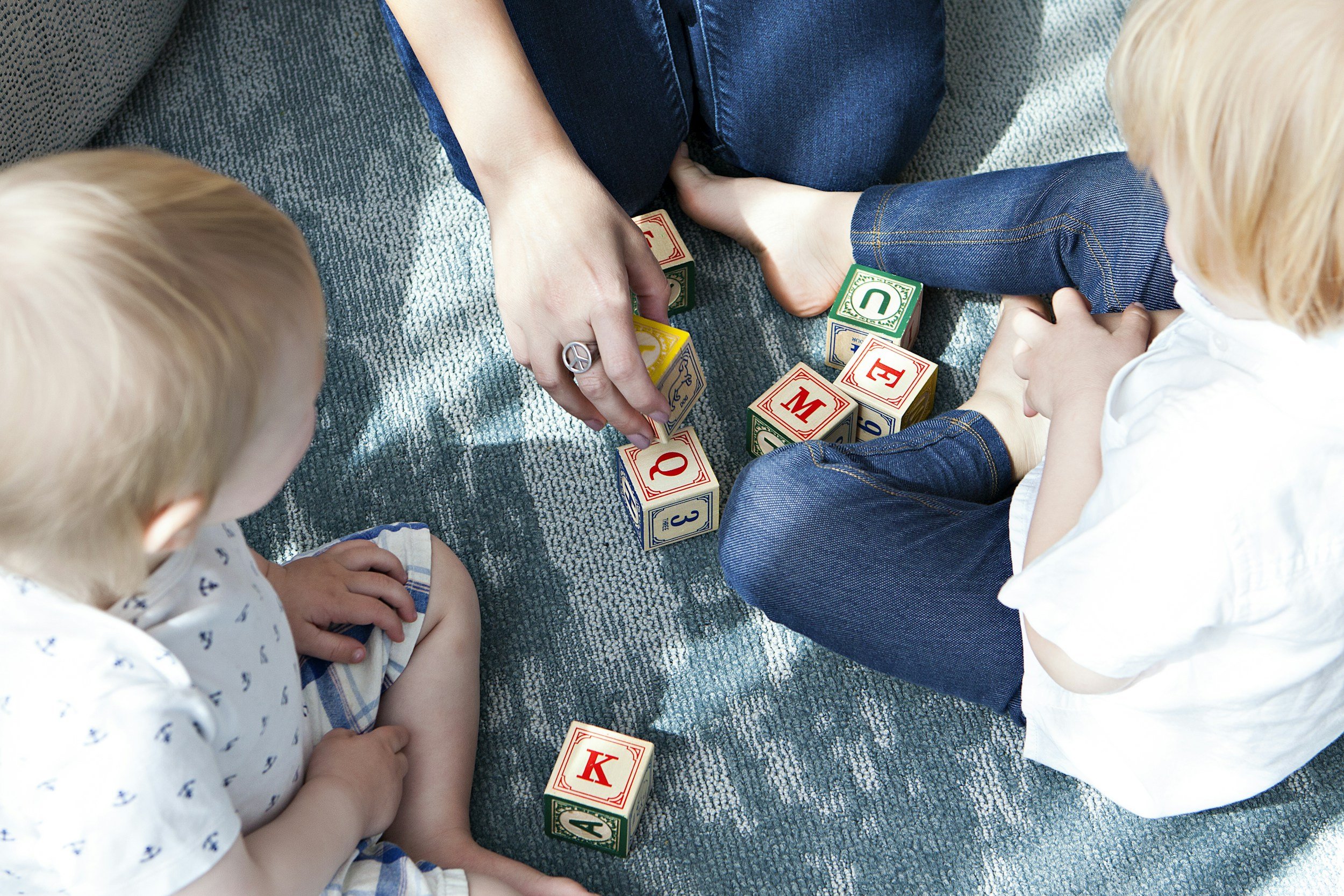
I believe children are gifts, not lifestyle accessories, because God Himself declares them to be a blessing entrusted to parents rather than possessions to be acquired, managed, or discarded according to personal preference. In an age increasingly shaped by expressive individualism, children are often viewed through the lens of adult fulfillment. They are welcomed if they fit our plans, postponed if they interfere with our ambitions, or rejected if they threaten our desired lifestyle. Even when children are desired, they can subtly become extensions of their parents' identity—projects to perfect, trophies to display, or achievements to celebrate. Scripture presents a radically different vision. Children are neither burdens to avoid nor accessories to enhance our lives. They are image bearers created by God, entrusted to parents as a sacred stewardship for His glory.
The Bible begins with God as Creator. Humanity does not invent life; God gives it. Genesis 1 records that after creating mankind in His image as male and female, God blessed them and commanded them, "Be fruitful and multiply and fill the earth and subdue it" (Genesis 1:28). From the very beginning, children were woven into God's good design for humanity. Fruitfulness was not a consequence of the Fall or a merely biological process. It was part of God's blessing upon creation. Every child enters the world not by accident but under the sovereign providence of the God who opens and closes the womb according to His perfect wisdom.
Biblical presuppositionalism reminds us that because God is the Creator, He alone has the authority to define the meaning and purpose of children. Modern culture begins with human autonomy. Parenthood is often viewed as a personal lifestyle choice, evaluated primarily by whether it contributes to individual happiness or financial security. Scripture begins somewhere entirely different. Children belong first to God because He created them. Parents are not owners but stewards. They have been entrusted with the extraordinary privilege and solemn responsibility of raising image bearers for the glory of God.
Psalm 127 beautifully captures this perspective: "Behold, children are a heritage from the Lord, the fruit of the womb a reward." Notice that the psalm does not describe children merely as biological outcomes or personal accomplishments. They are a heritage from the Lord. The language emphasizes both gift and stewardship. A heritage is received, not earned. It belongs ultimately to the one who gives it. This biblical understanding transforms the way Christian parents think about their children. We do not ask merely how our children fit into our plans. We ask how we may faithfully nurture those whom God has graciously entrusted to our care.
This truth stands in sharp contrast to the assumptions of contemporary Western culture. Many people increasingly postpone or reject parenthood because children are viewed as obstacles to career advancement, financial prosperity, travel, personal freedom, or self-fulfillment. While Scripture certainly commends wisdom, stewardship, and thoughtful planning, it never portrays children primarily as interruptions to an otherwise satisfying life. Instead, it consistently presents them as blessings that enrich families, strengthen communities, and advance God's redemptive purposes throughout history.
At the same time, Christians must avoid swinging to the opposite extreme by treating children as symbols of parental success or sources of personal identity. Even within Christian families, parents can unintentionally make idols of their children. Success in academics, athletics, music, ministry, or social achievement can become measures of parental worth. Children begin to carry burdens God never intended them to bear. They become projects to perfect rather than souls to shepherd. Scripture consistently reminds parents that their primary calling is not to manufacture worldly success but to faithfully disciple their children in the knowledge and fear of the Lord.
This responsibility is clearly articulated in Deuteronomy 6. After commanding Israel to love the Lord with all their heart, soul, and strength, Moses instructs parents to teach God's commandments diligently to their children, speaking of them throughout the ordinary rhythms of daily life. Parenting, therefore, is fundamentally a discipleship ministry. Ephesians 6:4 echoes this calling by commanding fathers to bring up their children "in the discipline and instruction of the Lord." The ultimate goal of parenting is not merely raising well-behaved, educated, or successful adults. It is raising children who know, love, and glorify God.
Jesus Himself demonstrated the value God places upon children. In a culture where children often occupied a lower social status, Jesus welcomed them with remarkable tenderness. When the disciples attempted to prevent children from coming to Him, Jesus responded, "Let the little children come to me and do not hinder them, for to such belongs the kingdom of heaven" (Matthew 19:14). Christ did not treat children as inconveniences. He embraced them, blessed them, and held them up as examples of humble faith. His actions remind us that the weakest and most dependent members of society possess immeasurable dignity because they bear God's image.
This biblical understanding also shapes how Christians think about the sanctity of life. If children are gifts from God, then their value does not depend upon whether they were planned, healthy, economically convenient, or socially desirable. Every unborn child bears God's image from conception. Every child with disabilities possesses equal worth. Every adopted child, foster child, orphan, or child born into difficult circumstances reflects the Creator's image and deserves love, protection, and care. Human value is never determined by usefulness or wantedness but by God's creative act.
The gospel further deepens our understanding of children by reminding us that all believers have been adopted into God's family through Jesus Christ. We who were once strangers have become sons and daughters by grace. Earthly parenting therefore becomes a reflection of our heavenly Father's love. Christian parents are called to model patience, forgiveness, instruction, discipline, compassion, and steadfast love because these qualities reflect the character of the God who has graciously adopted us. Parenting is not merely about raising children; it is about displaying the Father's heart.
This perspective also provides comfort to parents who struggle. Every Christian parent knows the weight of inadequacy. We fail, lose patience, make mistakes, and recognize how desperately we need God's wisdom. The hope of parenting is not found in perfect techniques or flawless execution but in God's faithfulness. Our children ultimately belong to Him, and His grace is sufficient for both parents and children alike. We faithfully plant and water, trusting God to give the growth.
The church likewise has an important role in this stewardship. Children are not simply the responsibility of individual families. They are a blessing to the covenant community. The local church should rejoice in the presence of children, pray for them, teach them, protect them, and support parents in the sacred work of discipleship. Healthy churches understand that investing in children is an investment in future generations of faithful believers.
I believe children are gifts, not lifestyle accessories, because they come from the gracious hand of God and bear His holy image. They are not commodities to acquire when convenient, projects to perfect, or obstacles to personal fulfillment. They are eternal souls entrusted to parents for a season, to be loved, nurtured, disciplined, and pointed toward Jesus Christ. In a culture that increasingly evaluates children according to adult desires, the church must joyfully proclaim that every child is a blessing from the Lord. Our greatest privilege is not to shape our children into reflections of ourselves but to faithfully shepherd them toward the Savior whose image they were created to reflect.